

Tungsten Prices Surge in 2026: What It Means for Your Operation
Tungsten pricing has increased more than
Global supply constraints, export controls, and rising demand across defense, aerospace, and advanced manufacturing have pushed tungsten pricing to record levels. With limited supply and continued demand, market conditions are expected to remain tight.
For welding operations, this means higher electrode costs, tighter availability, and increased pressure to improve efficiency.
+0%
Price Increase Since 2024
+0%
Recent Market Increase
$0+/MTU
APT Pricing (Record Levels)
-0%
Chinese Export Volume
Why Tungsten Prices Are Increasing
The current tungsten market is defined by a structural imbalance between supply and demand. Several global factors are contributing to sustained pricing pressure.
Export Controls and Limited Supply
China accounts for the majority of global tungsten production and has implemented strict export controls and reduced mining quotas. These actions have significantly reduced available supply outside China.
At the same time, tungsten production outside China remains fragmented, limiting the market’s ability to offset these reductions.
Rising Demand Across Critical Industries
Demand for tungsten continues to grow across industries where performance and durability are critical:
- Defense and aerospace
- Energy and industrial manufacturing
- Electric vehicles and battery technology
- Semiconductors and electronics
Tungsten’s unique properties make it difficult to replace, sustaining demand even as prices increase.
Inventory Depletion and Market Tightness
Global inventories are tightening. According to SMM analysis, low inventory levels and concentrated purchasing have accelerated price increases across European and global markets.
This imbalance between supply and demand is expected to continue.
Tariffs and Trade Pressure
Tariffs on imported tungsten products and raw materials have added a significant layer of cost pressure across the supply chain. Current tariff rates range from approximately 15% to over 25%, with recent peaks reaching as high as 145%, materially increasing the landed cost of tungsten inputs.
Because there is little to no domestic production of key tungsten products such as TIG electrodes, these tariffs are largely unavoidable for manufacturers and distributors. As a result, tariff-related costs are being passed through the market, contributing directly to higher prices for end users.
In an already constrained global supply environment, tariffs further amplify volatility by increasing procurement costs, tightening margins, and limiting sourcing flexibility.
Record Pricing Across the Tungsten Market
Ammonium Paratungstate (APT), the primary raw material used in tungsten production, has reached record pricing levels in 2026. Market data shows pricing exceeding $1,300 per metric tonne unit in key markets.
These increases are being driven by limited supply, rising demand, and tightening inventories across the global supply chain.
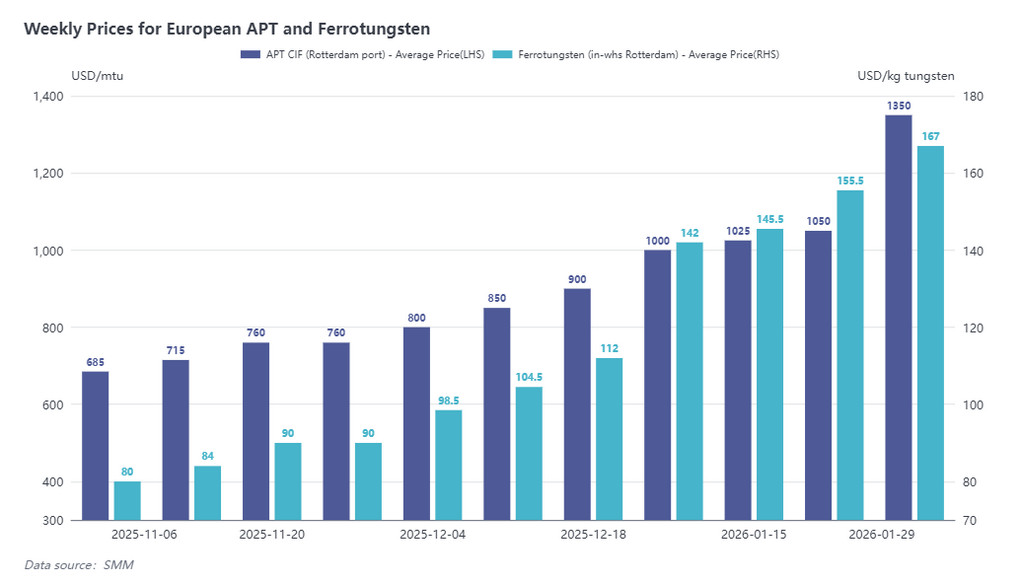
Source: Shanghai Metals Market (SMM), February 2026
What This Means for Welding Operations
Rising tungsten prices are having a direct impact at the shop level.
Increased Electrode Costs
Electrode pricing has increased significantly, with some standard products doubling in price in a short period of time.
Reduced Availability
Supply constraints are limiting availability of certain tungsten types and sizes, making sourcing more difficult.
Higher Cost per Weld
Inefficient tungsten usage is now more expensive than ever. Waste, inconsistency, and rework directly impact cost.
How to Control Tungsten Costs in 2026
With tungsten prices at record levels, improving efficiency is the most effective way to manage cost.
Use Precision Tungsten Grinders
Precision grinding extends electrode life, improves consistency, and reduces waste. Professional-grade grinders are designed for continuous use and repeatable results.
View Tungsten Grinders
Switch to Pre-Ground Tungsten
Pre-ground electrodes eliminate manual grinding and deliver consistent performance. This reduces labor time and improves weld quality.
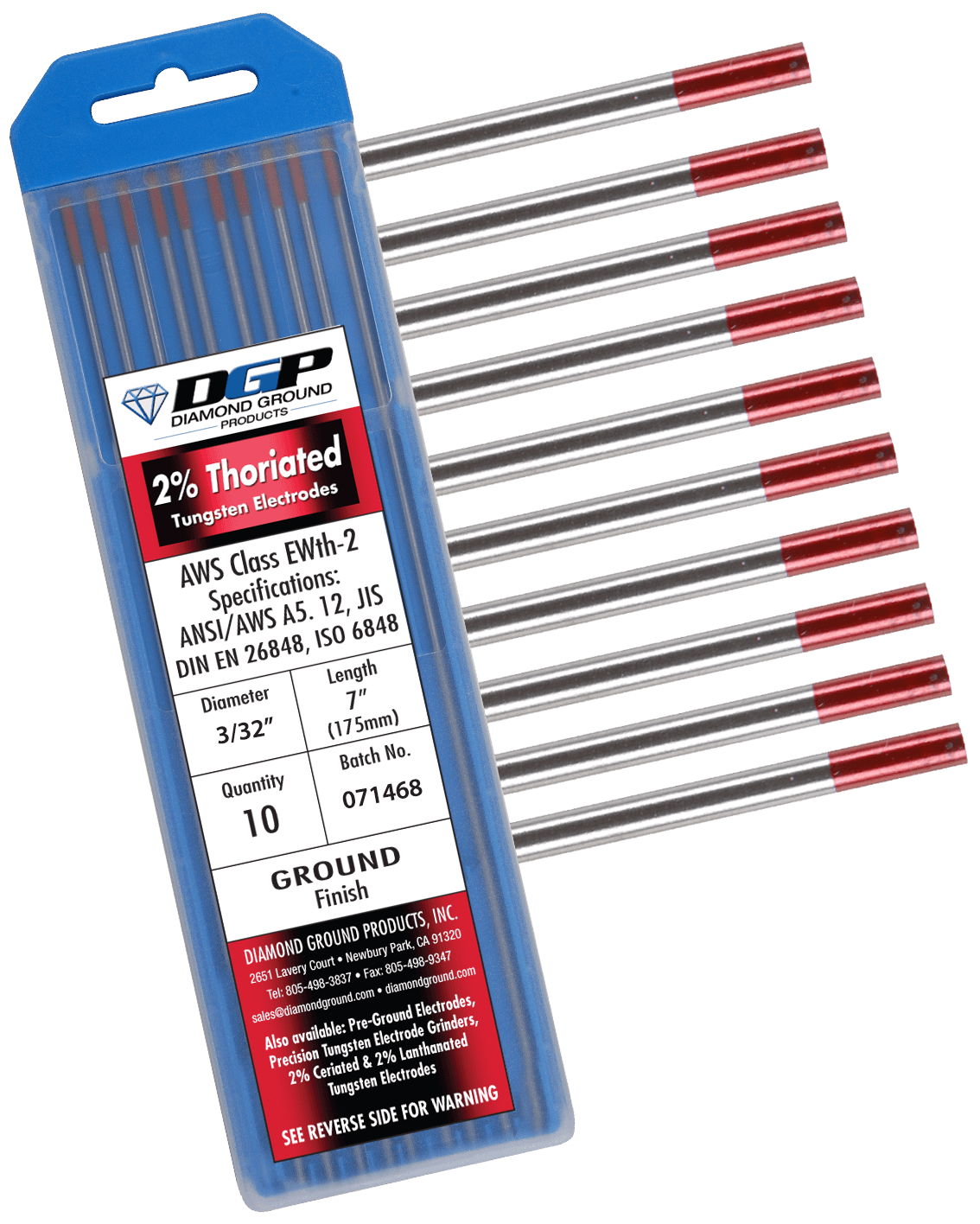
DGP specializes in pre-ground electrodes manufactured to strict tolerances for maximum productivity.
Explore Pre-Grount Tungsten
Reduce Cost Per Weld
Every inch of tungsten matters. Inefficient grinding, inconsistent preparation, and discarded electrodes all increase cost per weld.
By standardizing tungsten preparation and maximizing usable electrode length, operations can significantly reduce material consumption and improve productivity.
The Outlook for 2026 and Beyond
Current market conditions suggest that tungsten pricing will remain elevated. Export restrictions, limited new supply, and continued global demand are expected to sustain upward pressure on pricing.
While new mining projects are underway, they will take time to impact supply. For now, operational efficiency remains the most effective way to manage cost.
Take Control of Your Tungsten Costs
Tungsten prices have changed. The way it is used in your operation should as well.
Improving grinding practices, reducing waste, and optimizing electrode usage can protect margins and maintain productivity in a high-cost environment.
Click-to-Call