


Tungsten Prices Surge in 2026 – April 2026 Update
Tungsten pricing has entered a new phase of extreme volatility and structural tightness.
Since mid-February 2026, European Ammonium Paratungstate (APT) prices have surged from $1,650–1,900/MTU to over $3,100/MTU, representing a 63–94% increase in just six weeks. Since the introduction of Chinese export controls in early 2025, tungsten prices have risen more than 550%, significantly outperforming other major commodities.
This is not a short-term spike—it is a fundamental market reset.
+0%
Price Increase Since 2024
+0%
Increase in the Last 6 Weeks
$0+/MTU
APT Pricing (Record Levels)
-0%
Chinese Export Volume
Why Tungsten Prices Are Rising
China Export Controls Reshaping Global Supply
China accounts for over 75% of global tungsten production. Export controls introduced in 2025 have fundamentally altered pricing dynamics by:
- Restricting availability of key materials such as APT
- Reducing export volumes by ~40%
- Replacing historically subsidized pricing with quota-driven supply
The result is a transition to true market-based price discovery—with no clear ceiling.
Demand Surge from Defense and Critical Industries
Tungsten demand continues to accelerate across high-performance sectors:
- Aerospace and defense systems
- Energy and industrial manufacturing
- Semiconductor and electronics production
Military consumption alone is projected to increase ~12% in 2026, driven by global conflict and defense spending. Tungsten’s density, hardness, and heat resistance make it indispensable in:
- Armor-piercing ammunition
- Missile systems and guidance components
- Aircraft and rotorcraft balancing systems
- Naval and armored vehicle applications
Inventory Depletion and Supply Constraints
Global inventories have been significantly reduced, while new supply remains limited.
Key constraints include:
- Reduced Chinese mining quotas
- Limited near-term production outside China
- Recycling capacity constraints
- Tight ferro-tungsten supply (up ~4–5x year-over-year)
New supply from Western sources remains at least 18–24 months away.
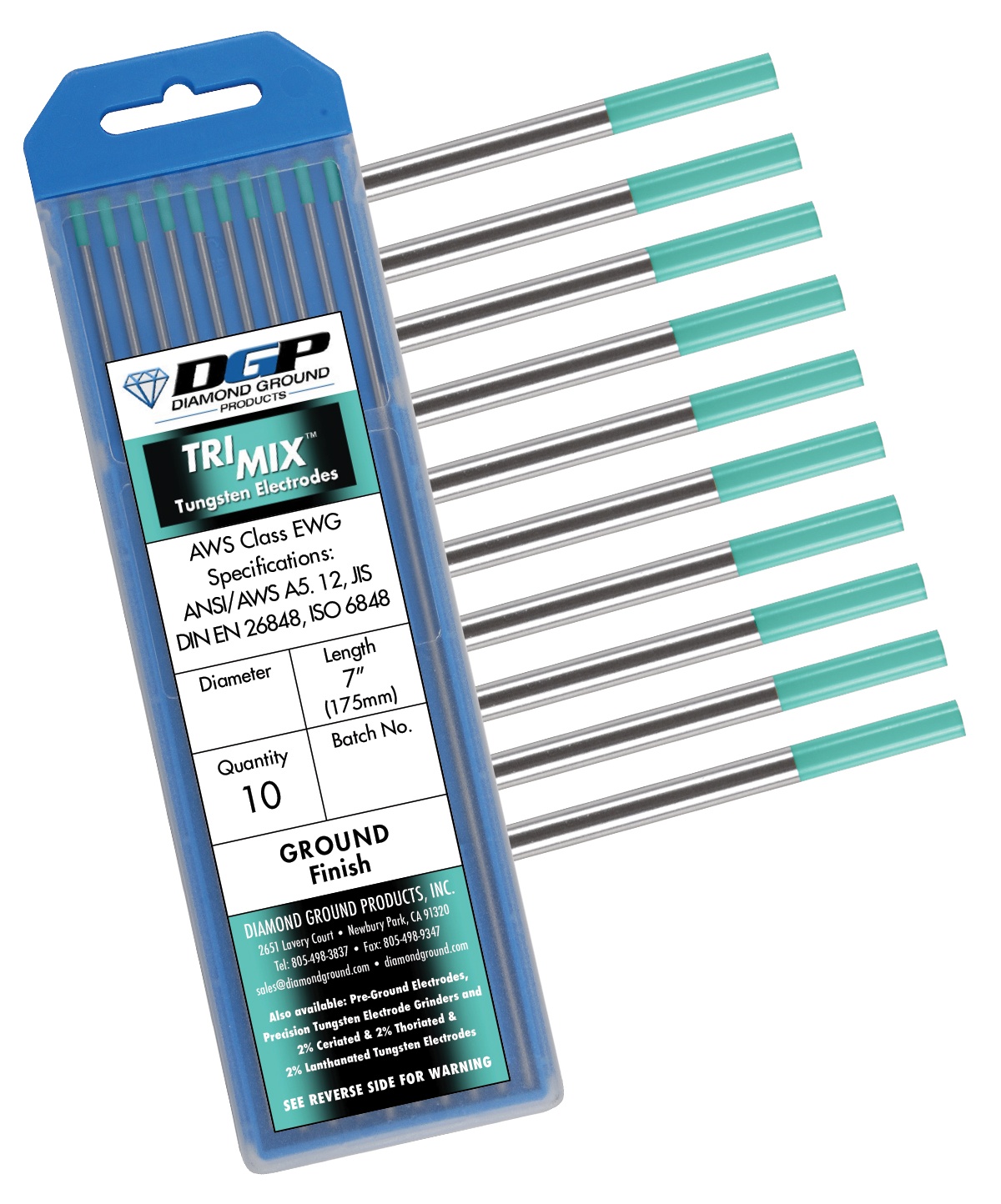
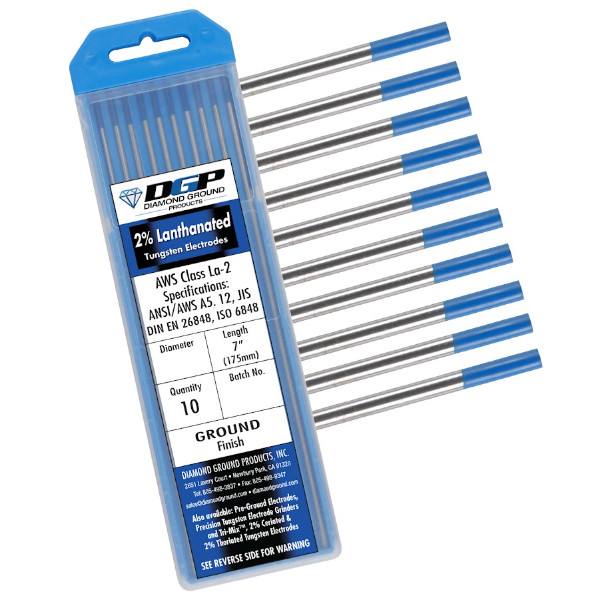
Record Pricing Across the Tungsten Market
The market is currently defined by:
- Low liquidity
- Tight feedstock availability
- Accelerating spot price movement
Further upward pressure remains likely in the near term.
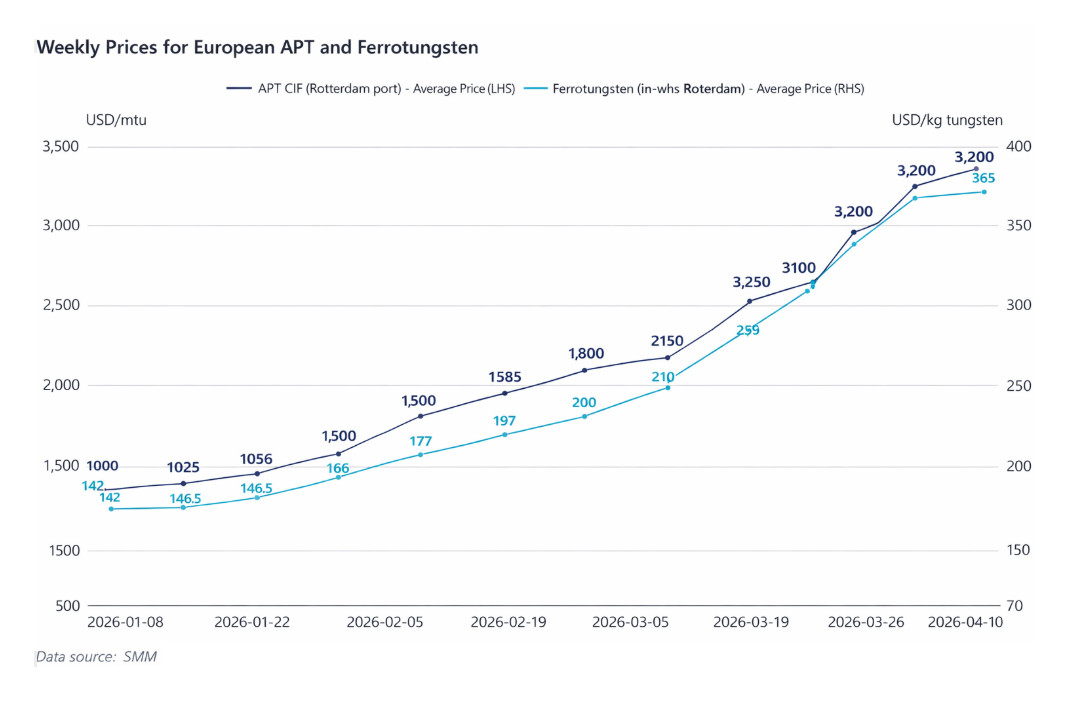
Source: Shanghai Metals Market (SMM), April 2026
What This Means for Welding Operations
Rising tungsten prices are directly impacting shop performance.
- Higher electrode costs
- Reduced material availability
- Increased cost per weld
- Greater sensitivity to waste and inefficiency
In this environment, tungsten efficiency is no longer optional — it is critical to maintaining margins.
How to Control Tungsten Costs in 2026
Precision Grinding and Process Control
Proper tungsten preparation significantly improves utilization:
- Up to 50% longer electrode life with correct grind orientation
- Improved arc stability and reduced rework
- Consistent weld quality and reduced material waste
Precision grinding with controlled geometry (10°–60° angles, 20 Ra surface finish) ensures repeatable performance across operators.
View Tungsten Grinders
Pre-Ground Tungsten Strategy
Pre-ground electrodes eliminate variability and reduce labor:
- Consistent tip geometry and arc behavior
- Immediate usability with no setup time
- Reduced contamination risk
Explore Pre-Grount Tungsten
Optimize Electrode Selection
Using the correct tungsten type improves efficiency:
- 2% Lanthanated: Best overall performance and versatility
- 2% Ceriated: Ideal for low- to mid-amperage applications
- Rare Earth: Superior for automated and precision welding
View Electrode Options
Reduce Cost Per Weld
Improving tungsten utilization directly lowers operational cost:
- Extend electrode life
- Reduce grinding time
- Improve weld consistency
- Minimize scrap and rework
Market Outlook: 2026 and Beyond
Current conditions reflect a temporary but extended supply squeeze.
- Severe tightness expected for up to 24 months
- Prices may continue to rise in the near term
- Relief depends on new mining capacity and supply chain diversification
Until then, operational efficiency will remain the primary strategy for cost management.
Take Control of Your Tungsten Costs
In a constrained market, performance and efficiency define profitability.
Optimizing tungsten usage, reducing waste, and implementing precision preparation processes are essential to maintaining productivity and protecting margins.
Click-to-Call